Private Utility Locating Upstate NY | Underground Utility
What Property Owners and Contractors Need to Know
When planning construction, excavation, landscaping, drainage work, or other projects that involve digging, knowing what is underground is essential. While many people understand the importance of contacting 811 before digging, public utility marking does not always identify every underground line on a property. Private lines can extend from a utility-owned connection point to buildings, garages, barns, pools, outbuildings, wells, septic systems, and other structures. This is where private utility locating Upstate NY services can provide an important additional layer of protection.
Private utility locating involves identifying underground utilities and other buried infrastructure that may not be included in standard public utility markings. Professional locating services use specialized equipment and experienced technicians to help identify the approximate location and path of buried lines before excavation begins. For homeowners, contractors, excavators, landscapers, municipalities, and property managers, knowing where underground utilities are located can help prevent unnecessary damage, project delays, and potentially dangerous situations.
What Is Private Utility Locating?
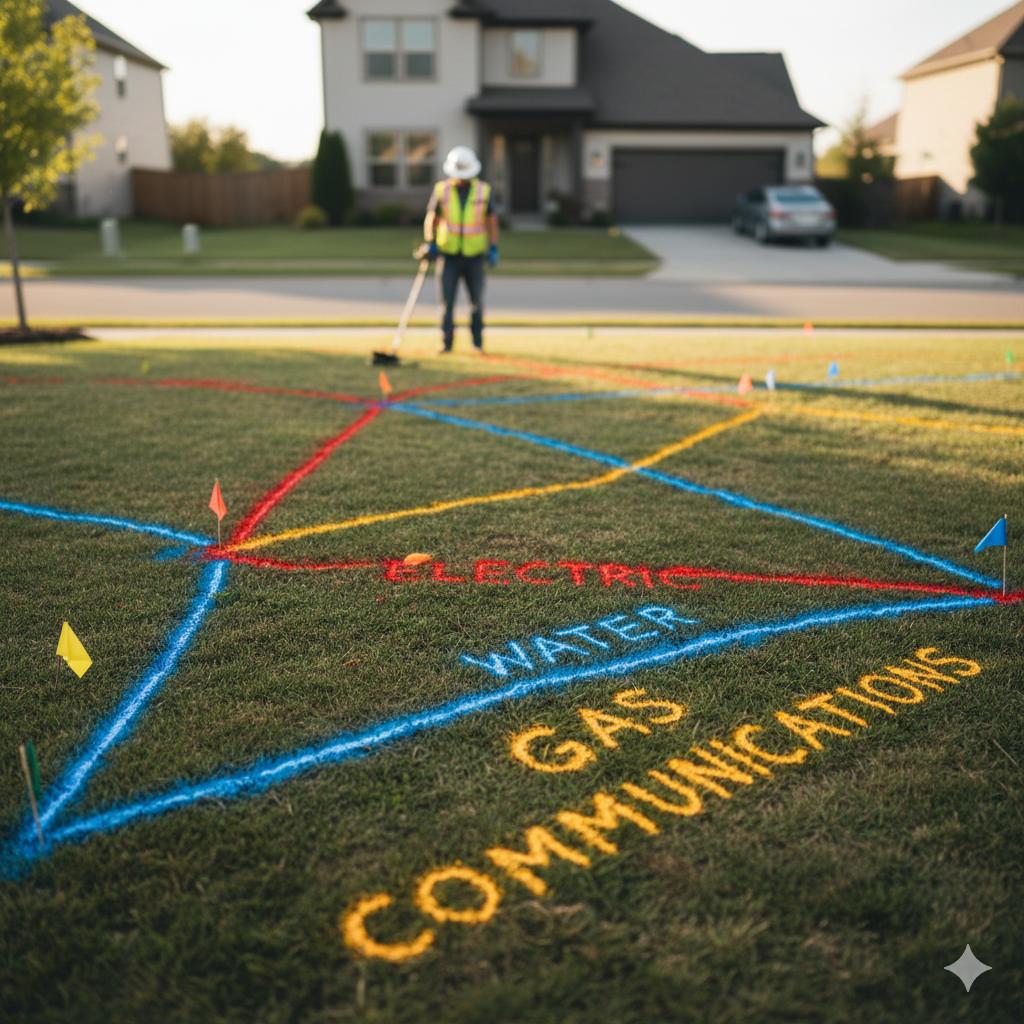
Private utility locating is the process of finding underground utilities that are located on private property and may not be marked through the standard public utility locating process. These utilities can include electrical lines, communication cables, water lines, gas lines, irrigation systems, sewer lines, and other underground infrastructure.
A typical 811 utility mark-out is designed to identify utilities that fall under the responsibility of participating utility companies. However, privately owned lines may extend beyond the point where the utility company is responsible for maintaining them. These lines can remain unmarked unless the property owner or contractor arranges for a private utility locate.
For example, a property may have an underground electrical line running from the main electrical service to a detached garage. The utility company may mark its portion of the system, but the private line running across the property may not be included. Digging in the wrong location could damage that line.
A private utility locate is intended to help identify these additional underground hazards before work begins.
Why Private Utility Locating Matters in Upstate New York
Upstate New York contains a mixture of older homes, rural properties, commercial developments, farms, recreational properties, and newer construction. Underground infrastructure can vary considerably from one property to another.
Older properties can present particular challenges because property owners may not have accurate records showing where underground utilities were installed. Over the years, additions, garages, pools, driveways, septic systems, landscaping projects, and other improvements may have resulted in underground lines being installed.
In rural areas, properties may also contain long private utility runs. An electrical line could run hundreds of feet from a house to a barn, workshop, well, or other structure. Water and sewer systems may also cross large portions of a property.
This makes private utility locating Upstate NY an important consideration whenever excavation is planned.
What Utilities Can Be Located?
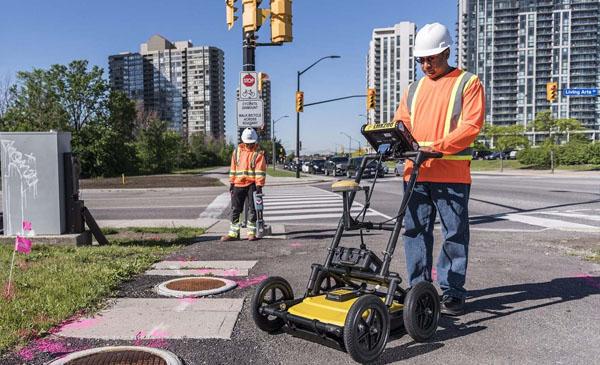
The exact utilities that can be identified depend on the property and the equipment available, but private locating can potentially help identify many different types of underground infrastructure.
Underground Electrical Lines
Electrical lines are among the most important utilities to identify before digging. Private electrical lines may supply detached garages, sheds, workshops, pools, outdoor lighting, barns, or other structures.
Damaging an underground electrical cable can create a serious safety hazard and may result in expensive repairs or electrical service interruptions.
Water Lines
Private water lines can run from a well, municipal connection, pump system, or other water source to a home or secondary structure.
Locating these lines before excavation can be particularly helpful when installing fences, planting trees, excavating for additions, or performing drainage work.
Communication Lines
Internet, telephone, cable television, and other communication lines may run underground across residential and commercial properties.
Although these lines may not carry the same electrical hazards as power cables, cutting them can still create service interruptions and expensive repair requirements.
Gas Lines
Gas lines require special attention because damaging a gas line can create an extremely dangerous situation. Public utility locating should always be completed when applicable, and private locating may be necessary when privately owned gas piping exists on a property.
Irrigation Systems
Underground irrigation systems can be surprisingly extensive. Sprinkler systems may include water lines, control wires, valves, and other components throughout a yard.
A private utility locating service may help identify portions of an irrigation system before excavation or landscaping work begins.
Sewer and Drainage Lines
Private sewer lines, septic-related piping, drainage systems, and other buried infrastructure can also be important to locate.
This can be especially useful before excavation for additions, driveways, retaining walls, drainage improvements, or landscaping projects.
When Should You Schedule a Private Utility Locate?
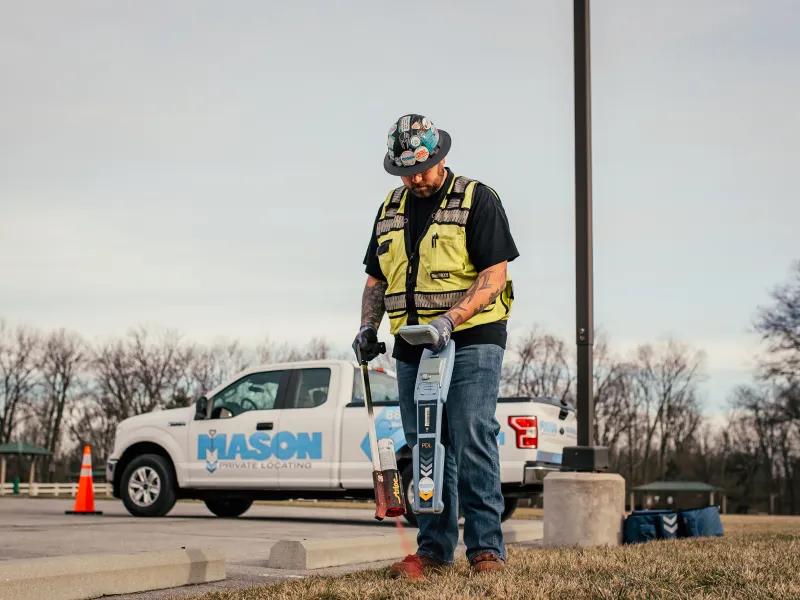
A private utility locate should be considered before any project that requires digging and could potentially encounter underground infrastructure.
Common projects include:
- Installing a fence
- Building a deck
- Constructing an addition
- Installing a swimming pool
- Planting large trees
- Installing landscaping
- Excavating for drainage
- Installing a driveway
- Building a garage
- Installing a shed
- Digging foundations
- Installing septic systems
- Installing irrigation
- Installing underground electrical service
- Installing outdoor lighting
- Excavating commercial properties
Even relatively small projects can encounter underground utilities.
A fence-post hole may only be a few feet deep, but an underground cable can be located exactly where the post needs to go. Taking the time to identify potential underground lines before starting can prevent a small project from becoming a major problem.
Private Locating and 811: What’s the Difference?
One of the most important things property owners should understand is that private utility locating and 811 utility locating are not necessarily the same thing.
The 811 system is designed to help identify underground utility infrastructure operated or maintained by participating utility companies. It is an essential step before excavation, but it may not identify privately owned utilities beyond the utility company’s responsibility.
Private locating is intended to identify additional underground infrastructure located on private property.
That means calling 811 and arranging a private utility locate can sometimes be complementary steps rather than alternatives.
Property owners should determine which utilities are public and which are privately owned before excavation begins.
How Does Private Utility Locating Work?
Professional locating technicians use specialized locating equipment to search for underground lines. Depending on the utility and conditions, technicians may use electromagnetic locating equipment, direct connections, inductive methods, signal tracing, and other technologies.
The process typically begins with understanding the project and identifying areas that need to be investigated. The technician then evaluates visible utility access points and uses appropriate locating equipment to trace underground infrastructure.
In some situations, access to a utility component may improve the ability to trace the line. For example, a technician may be able to connect to an accessible cable or utility component and follow the signal along its underground path.
The technician then marks the approximate location of the detected utility on the ground using appropriate markings.
It is important to understand that underground locating is a specialized process and conditions can affect results. Soil composition, depth, utility construction, interference from other underground systems, and the condition of the utility can all influence locating accuracy.
Why Accurate Utility Locating Can Save Money
Underground utility damage can turn an inexpensive project into a costly repair.
Imagine a contractor is installing a new drainage system and accidentally cuts an underground electrical line supplying a detached building. The immediate problem may involve repairing the damaged cable, but there could also be additional costs associated with labor, equipment downtime, electrical repairs, project delays, and property damage.
Communication cables can create similar problems. Cutting an underground internet or telephone line could interrupt service and require emergency repairs.
Water lines can cause another set of problems. A damaged water pipe can release significant amounts of water underground, potentially creating erosion, flooding, or damage to surrounding structures.
Spending money on locating before excavation can therefore be viewed as a preventative project expense rather than an unnecessary cost.
Private Utility Locating for Contractors
Contractors and excavation companies have a particular reason to take underground utility locating seriously. Construction projects often involve heavy equipment, deeper excavation, and multiple workers operating around the excavation area.
Before starting a project, contractors should identify all known underground utilities and determine whether private lines could exist.
For larger projects, documentation of utility locations can also help improve communication between contractors, property owners, engineers, and other workers.
A professional private locate can provide valuable information that can be incorporated into the project’s planning process.
Private Utility Locating for Homeowners
Homeowners do not need to be professional excavators to benefit from utility locating.
A homeowner might decide to install a fence, build a backyard shed, plant several trees, install a patio, or create a drainage system. These projects may appear straightforward, but underground utilities can be hidden from view.
Homeowners often do not know exactly where private electrical, water, communication, or irrigation lines are located.
Guessing where a buried line runs is not a reliable locating method.
If the project requires digging, taking the time to determine what is underground can provide greater confidence before work begins.
Rural Properties Can Present Additional Challenges
Rural properties throughout Upstate New York can have unique underground utility configurations.
A property may have a well located away from the house, an underground electrical line leading to a barn, a private septic system, buried water lines, outbuildings, and older utility installations.
Because rural properties can have larger distances between structures, underground utilities may travel considerable distances.
Property owners should not assume that an open section of yard is free of utilities simply because there are no visible signs of infrastructure.
Old utility lines may remain underground even after a structure has been removed. Abandoned or unused lines can also be difficult to identify without proper investigation.
What Information Should You Provide the Locator?
Before a private utility locating appointment, provide as much information as possible about the property and planned work.
Useful information may include:
- Property address
- Project location
- Planned excavation area
- Depth of excavation
- Location of buildings
- Known utility entrances
- Existing utility maps
- Previous construction information
- Location of wells or septic systems
- Locations of detached buildings
- Known underground irrigation
- Areas where previous digging occurred
The more information available, the easier it may be to develop an effective locating strategy.
Don’t Rely on Guesswork
One of the biggest mistakes property owners and contractors can make is assuming they know where an underground utility is located.
Utilities rarely follow a perfectly predictable path. Lines can change direction, installations can be modified, and older records may not accurately reflect current conditions.
A line that appears to run straight from one building to another may have been routed around a previous structure, driveway, tree, or other obstacle.
This is why professional locating can be valuable before excavation.
Choosing a Private Utility Locating Service in Upstate NY
When selecting a private locating company, look for a provider with experience working with the types of underground utilities found in your area.
Ask what types of utilities the company can locate, what equipment is used, how markings are provided, and what information you will receive after the locate.
It is also important to explain exactly what type of excavation you are planning. A contractor installing a foundation may have different locating requirements than a homeowner installing fence posts.
A professional company should be willing to discuss the project and explain what the locating process can and cannot identify.
Final Thoughts
Underground utilities are easy to overlook because they are hidden beneath the surface. However, they can become one of the most important considerations when planning excavation or construction work.
Whether you are a homeowner installing a fence, a contractor preparing for excavation, a landscaper installing drainage, or a property owner developing a rural site, identifying underground infrastructure before digging can help reduce the possibility of unexpected damage and costly delays.
Private utility locating Upstate NY services can provide an important additional step beyond standard utility marking, particularly when privately owned electrical, water, communication, irrigation, sewer, or other underground systems may be present.
Before putting a shovel, excavator, auger, or other digging equipment into the ground, take the time to understand what may be beneath the surface. Proper planning and professional utility locating can help make excavation projects safer, more predictable, and easier to manage from the beginning.








Post Comment