Elmira, NY Walking Trails In The Villages (2026 Guide)
Elmira NY Walking Trails in the Villages: Easy Walks Near Main Streets and Quiet Water
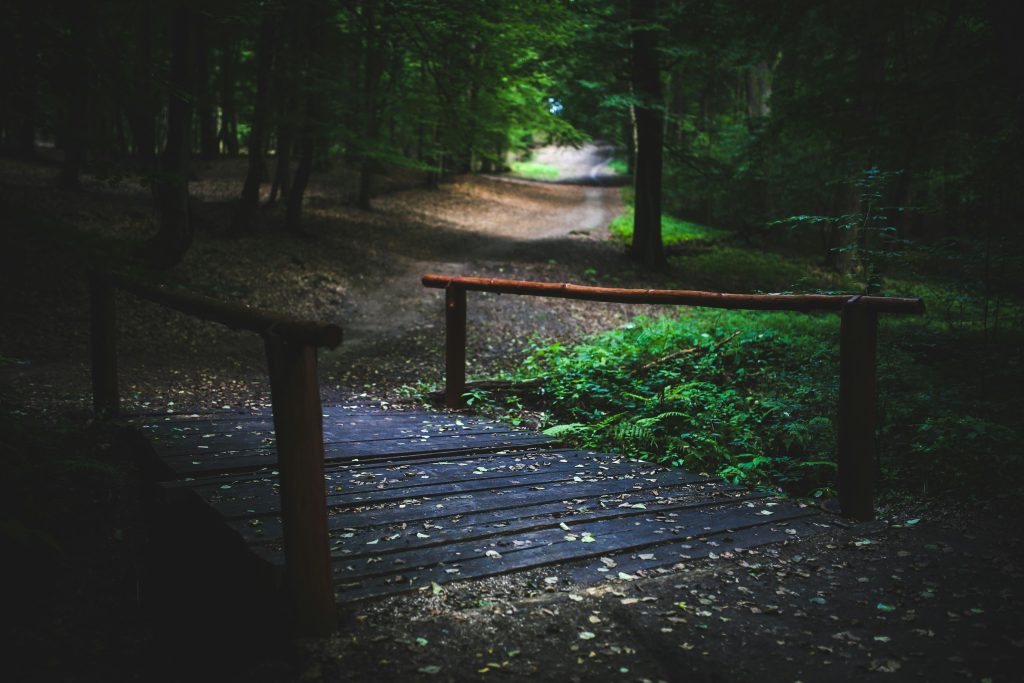
Some days, you don’t want a big hike. You want a walk that starts close, feels safe, and still gives you that “fresh air reset” by the time you get back to your car.
That’s where Elmira, NY, walking trails in the villages shine. Around Elmira and nearby village-style pockets, you can stitch together sidewalks, park loops, river views, and wide, steady paths without making a whole production out of it.
This guide keeps it practical. You’ll get simple walk ideas, what the ground feels like underfoot, how hilly it gets, and which routes fit kids, dogs, or new walkers.
What to know before you head out (parking, surfaces, and comfort)
A good walk starts before your first step. Parking, surface choice, and a few comfort habits can turn a “maybe” walk into a habit you look forward to.
Most village-area routes begin near something familiar, like a park, a school, a library, or a cluster of small shops. Look for public lots and posted signs, then double-check any time limits. If you’re unsure, choose a town park with a clear entrance and a marked lot. It keeps the start relaxed.
Surfaces vary a lot around Elmira’s village-style areas, sometimes within the same mile. Expect a mix like:
- Sidewalk and pavement near main streets (usually smooth, sometimes cracked)
- Packed gravel or stone dust paths in parks (firm, but soft at the edges)
- Dirt trails in wooded corners (nice in dry weather, slick after rain)
- Boardwalk sections in wetter spots (great footing, but watch winter ice)
- Mowed grass routes around fields (easy on joints, squishy after storms)
After rain or snowmelt, low spots hold water. Mud can linger in shade, even when the sun feels warm. If you’re trying to keep shoes clean, pick pavement or packed paths for spring walks.
Ticks can show up in brushy edges from late spring through fall. Keep to the center of paths when you can. Also, do a quick check when you get home, especially on socks and waistbands. In winter, ice hides in the “in-between” areas, like bridge approaches and shaded corners. Choose traction if you’ve had a freeze-thaw week.
A small kit makes short walks easier, even if you’re only out for 30 minutes:
- Water (even a few sips helps)
- A simple bandage or blister pad
- Bug spray and sunscreen in warmer months
- A light layer, because wind shifts fast near open water
Finally, respect posted rules. Stay on marked paths where they exist, and avoid cutting across private lawns. If a route passes near homes, keep voices low and give driveways space. And as always, pack out trash, even the tiny stuff.
If a trail edge looks soft or torn up, step back onto firm ground. One muddy shortcut can widen into a mess all season.
A quick trail-picking guide for families, seniors, and new walkers
Choosing the right route is like choosing the right shoes. The best option depends on the day, not on what sounds “impressive.”
Start with grade. Flat paths work well for strollers, newer walkers, and anyone easing back into movement. If you want a bit more effort, add gentle hills using neighborhood streets instead of steep dirt climbs.
Next, think about shape. Loops feel reassuring because you always know you’re coming back. Out-and-back routes are simpler, though, especially along a river or a long park path. Pick what matches your mood.
Shade matters more than people expect. In summer, tree cover can drop the felt heat fast. On the other hand, sun can be welcome on a crisp spring morning. If you’ve got kids, shade often decides whether the walk ends smiling or ends melting down.
Amenities can make or break a walk, too. Benches help anyone who needs breaks. Bathrooms matter for families. If you’re unsure, pick a park loop near a public building, then branch out later.
For time estimates, use an easy pace. Many people walk about 20 minutes per mile on flat ground. Add time for hills, stroller stops, or photo breaks. A “one-mile” walk can still be a full, satisfying outing if you let it be.
When to go for the best walk, and what each season feels like
Elmira-area walking changes with the calendar, and that’s part of the charm. Still, each season comes with its own small challenges.
Spring feels hopeful, but it’s also the mud season. Snowmelt and rain swell creeks and soften trail edges. Choose paved routes after storms, and save dirt paths for a dry stretch. Because water levels can rise fast, stay back from slick banks.
Summer brings long evenings and green shade. At the same time, bugs pick up near water and tall grass. A light spray and long socks help, especially on creekside paths. If you walk midday, carry water and choose a shaded park loop.
Fall is the crowd-pleaser. Cooler air makes hills feel easier, and color pops along streets lined with old maples. It’s also a good time for heritage-style neighborhood walks, since porch lights and brick details stand out in angled light.
Winter can still be walkable, especially on plowed sidewalks and packed paths. However, icy edges hide where sun doesn’t reach. Also, daylight drops early, so reflective gear matters in darker months. A bright hat or a reflective strap makes you easier to see at crossings.
Village-style walks that start near town and feel like a mini get-away
You don’t have to drive far to feel far. The best village-area walks around Elmira often start near everyday places, then slip into quiet pockets where you hear birds, not traffic.
To keep things accurate over time, the route ideas below stay general. Before you go, confirm current access, hours, and any posted detours. Construction and storm cleanup can change a path overnight.
Each option works for elmira ny walking trails in the villages because they’re easy to reach and easy to adjust. Add a block, shorten a loop, or turn around when it feels right.
Riverside and creekside strolls for calm water views
Water settles the mind. Even a short stretch beside a river or creek can make your breathing slow down without you noticing.
A simple river walk often starts at a riverfront park or a public green space near a bridge. From there, follow the paved walkway or sidewalk that parallels the water. If there’s a wide shoulder or a marked multi-use path, it usually stays fairly flat. Plan an out-and-back, turning around at a bench, a bridge approach, or a change in surface.
For a quieter feel, try a neighborhood creek segment. Many village-style areas have small creeks that run behind ballfields or along the edge of residential blocks. Start at a park entrance, then follow the mowed edge or packed path where it’s clearly public. These routes are great for birdwatching. You might spot ducks, geese, or small songbirds in brushy areas.
After heavy rain, though, water routes change fast. Banks get slick, and low paths can flood. Keep kids close near drop-offs, and skip any narrow, muddy edge. If you’re walking a dog, a short leash helps near water, especially when wildlife appears.
Distance range: about 0.5 to 3 miles, depending on your turnaround point. Terrain: mostly flat, with some uneven edges near natural banks. Best for: calm walks, light jogging, and anyone who likes open sky.
Park loops with playgrounds, open lawns, and easy wayfinding
Sometimes the best walk is the one with clear sight lines and a “home base.” Park loops offer that comfort. You can see where you started, and you can adjust on the fly.
Begin at a village park with a playground or ballfields. Walk the perimeter using the path, sidewalk, or even the mowed edge of the grass. Add a lap if you want more time. Because parks often connect to nearby blocks, you can also extend the loop with a short neighborhood add-on.
This style works well for kids because it’s easy to mix walking with play. Walk one lap, then stop for five minutes at the swings. After that, do a second lap. It’s like sneaking veggies into dinner; the movement happens without a fight.
If you’re walking with an older adult, parks can feel safer because other walkers are around. Benches and picnic tables offer natural rest stops. In addition, parking is usually straightforward, which matters on days when energy is limited.
Distance range: about 0.25 to 2 miles per loop, plus add-ons. Terrain: flat to gently rolling, mostly firm surfaces. Best for: families, seniors, stroller walks, and “first walk back” days.
Neighborhood heritage walks with porches, old storefronts, and quiet side streets
Village streets can feel like an outdoor museum, but you set the pace. A heritage walk is simple: you’re not chasing a trailhead. You’re noticing what’s already there.
Start near a small main street area, a historic church, or a public building. Walk one or two blocks along the busier street, then turn onto a quieter side street. Pick two to three parallel streets, then loop back. If you like structure, make a rectangle. If you prefer wandering, follow your curiosity and keep an eye on your landmarks.
Look for small details that reward slow walking. Brickwork around windows, older storefront signs, porches with turned posts, or rail-era hints like unusually straight corridors. Murals and community boards can also add a “pause and read” moment that breaks up the miles.
Etiquette matters more on these routes. Use crosswalks, even when it’s tempting to cut across. Give driveways room, and don’t treat someone’s front steps like a photo prop. If you stop to talk, step aside so others can pass.
Distance range: about 1 to 3 miles. Terrain: sidewalks and side streets, with occasional hills. Best for: casual walkers, history fans, and anyone who likes variety without mud.
Rail-trail style paths and wide corridors that feel safe and steady
Wide, straight corridors have a special kind of comfort. You can see ahead, the grade stays gentle, and you don’t need to watch every step.
Rail-trail style paths, where available in the region, tend to follow old transportation corridors. That means fewer steep climbs and fewer sudden drops. If you’re easing into longer distances, this is a friendly place to build stamina.
Because these paths can run through open areas, wind and sun hit harder. Bring a hat in summer. In cooler months, add a light layer you can unzip. Plan a clear turnaround point, like a road crossing, a trail marker, or a bench. That keeps you from pushing too far on an “I’ll just go a little more” day.
Also, expect mixed users. Walkers, runners, and cyclists often share these corridors. Stay to the right, keep pets close, and look back before you step sideways.
Distance range: about 1 to 6 miles out-and-back, depending on access. Terrain: firm, gentle grades, usually packed stone or pavement. Best for: steady walking, training walks, and people who want a predictable footing.
Make it a great walk, even if you only have 30 minutes
Short walks can change a day. The trick is to make them easy to start and pleasant enough to repeat.
First, ease into your pace for a minute or two. Let ankles and hips warm up before you stride. If your feet get sore, it’s often about friction, not toughness. Try snug socks and shoes that don’t let your heel slide.
Kids do better with a “purpose,” even a small one. Pick a simple goal, like spotting three birds, finding a bridge, or reaching the next bench. Meanwhile, adults often need permission to keep it short. A 25-minute walk still counts, because it gets your blood moving and your mind quieter.
Pairing a walk with a village stop can help, too. You might walk before a library visit, after a coffee, or around a weekend market. Keep it low-key. The walk is the point, and the errand is just the nudge.
Three easy walking plans: quick loop, steady hour, or longer weekend wander
Use these plans as templates, then adjust for weather and energy. Here’s a simple set of options you can repeat anywhere around Elmira’s village areas.
| Plan | Total time | Distance (flexible) | Best route type | Simple structure |
|---|---|---|---|---|
| Quick loop | 20 to 35 min | 0.75 to 1.75 miles | Park loop, neighborhood rectangle | 2-min easy warm-up, steady middle, 3-min slow cool-down |
| Steady hour | 45 to 70 min | 2 to 3.5 miles | River path out-and-back, rail-trail segment | 5-min easy start, 30 to 50-min steady pace, 5-min easy finish |
| Weekend wander | 75 to 110 min | 3.5 to 5.5 miles | Mix of park, sidewalks, and a corridor path | 5-min warm-up, 2 steady blocks with a short break, 5-min cool-down |
The takeaway is simple: pick a plan, then choose the safest surface that day. If a path gets muddy, crowded, or icy, turn around early and call it a win.
Trail manners that keep village paths friendly for everyone
Good manners on shared paths feel like good traffic flow. Nobody has to think too hard, and everyone gets where they’re going.
Stay to the right on wider paths, then pass on the left when it’s safe. If you’re coming up behind someone, a calm “on your left” helps more than a sudden squeeze-by. Keep music low enough that you can hear bikes, dogs, and cars at crossings.
Dogs add joy to a walk, but they also add responsibility. Use a leash where rules require it, and keep it short when others pass. Also, bring a bag and use it. A clean path stays open and welcoming.
At driveways and street crossings, slow down and make eye contact with drivers when you can. In village areas, cars may pull out fast because sight lines are tight. A small pause can prevent a big problem.
Most importantly, keep your head up. A friendly nod or quick hello can make a path feel safer for everyone, especially in quieter seasons.
Treat village paths like shared front porches. A little courtesy makes the whole place feel warmer.
Conclusion
Fresh air doesn’t require a long hike or a long drive. With Elmira, NY, walking trails in the villages, you can step out near a park, follow water for a bit, or loop through streets with character, then be home before your coffee gets cold. Pick one route idea, check conditions, and go while the day still has light. What’s your go-to village walk around Elmira, and what do you like to notice along the way?
Elmira NY Walking Trails in the Villages: Easy Walks Near Main Streets and Quiet Water
Some days, you don’t want a big hike. You want a walk that starts close, feels safe, and still gives you that “fresh air reset” by the time you get back to your car.
That’s where Elmira, NY, walking trails in the villages shine. Around Elmira and nearby village-style pockets, you can stitch together sidewalks, park loops, river views, and wide, steady paths without making a whole production out of it.
This guide keeps it practical. You’ll get simple walk ideas, what the ground feels like underfoot, how hilly it gets, and which routes fit kids, dogs, or new walkers.
What to know before you head out (parking, surfaces, and comfort)
A good walk starts before your first step. Parking, surface choice, and a few comfort habits can turn a “maybe” walk into a habit you look forward to.
Most village-area routes begin near something familiar, like a park, a school, a library, or a cluster of small shops. Look for public lots and posted signs, then double-check any time limits. If you’re unsure, choose a town park with a clear entrance and a marked lot. It keeps the start relaxed.
Surfaces vary a lot around Elmira’s village-style areas, sometimes within the same mile. Expect a mix like:
- Sidewalk and pavement near main streets (usually smooth, sometimes cracked)
- Packed gravel or stone dust paths in parks (firm, but soft at the edges)
- Dirt trails in wooded corners (nice in dry weather, slick after rain)
- Boardwalk sections in wetter spots (great footing, but watch winter ice)
- Mowed grass routes around fields (easy on joints, squishy after storms)
After rain or snowmelt, low spots hold water. Mud can linger in shade, even when the sun feels warm. If you’re trying to keep shoes clean, pick pavement or packed paths for spring walks.
Ticks can show up in brushy edges from late spring through fall. Keep to the center of paths when you can. Also, do a quick check when you get home, especially on socks and waistbands. In winter, ice hides in the “in-between” areas, like bridge approaches and shaded corners. Choose traction if you’ve had a freeze-thaw week.
A small kit makes short walks easier, even if you’re only out for 30 minutes:
- Water (even a few sips helps)
- A simple bandage or blister pad
- Bug spray and sunscreen in warmer months
- A light layer, because wind shifts fast near open water
Finally, respect posted rules. Stay on marked paths where they exist, and avoid cutting across private lawns. If a route passes near homes, keep voices low and give driveways space. And as always, pack out trash, even the tiny stuff.
If a trail edge looks soft or torn up, step back onto firm ground. One muddy shortcut can widen into a mess all season.
A quick trail-picking guide for families, seniors, and new walkers
Choosing the right route is like choosing the right shoes. The best option depends on the day, not on what sounds “impressive.”
Start with grade. Flat paths work well for strollers, newer walkers, and anyone easing back into movement. If you want a bit more effort, add gentle hills using neighborhood streets instead of steep dirt climbs.
Next, think about shape. Loops feel reassuring because you always know you’re coming back. Out-and-back routes are simpler, though, especially along a river or a long park path. Pick what matches your mood.
Shade matters more than people expect. In summer, tree cover can drop the heat fast. On the other hand, the sun can be welcome on a crisp spring morning. If you’ve got kids, shade often decides whether the walk ends smiling or ends melting down.
Amenities can make or break a walk, too. Benches help anyone who needs breaks. Bathrooms matter for families. If you’re unsure, pick a park loop near a public building, then branch out later.
For time estimates, use an easy pace. Many people walk about 20 minutes per mile on flat ground. Add time for hills, stroller stops, or photo breaks. A “one-mile” walk can still be a full, satisfying outing if you let it be.
When to go for the best walk, and what each season feels like
Elmira-area walking changes with the calendar, and that’s part of the charm. Still, each season comes with its own small challenges.
Spring feels hopeful, but it’s also the mud season. Snowmelt and rain swell creeks and soften trail edges. Choose paved routes after storms, and save dirt paths for a dry stretch. Because water levels can rise fast, stay back from slick banks.
Summer brings long evenings and green shade. At the same time, bugs pick up near water and tall grass. A light spray and long socks help, especially on creekside paths. If you walk midday, carry water and choose a shaded park loop.
Fall is the crowd-pleaser. Cooler air makes hills feel easier, and color pops along streets lined with old maples. It’s also a good time for heritage-style neighborhood walks, since porch lights and brick details stand out in angled light.
Village-style walks that start near town and feel like a mini get-away
You don’t have to drive far to feel far. The best village-area walks around Elmira often start near everyday places, then slip into quiet pockets where you hear birds, not traffic.
To keep things accurate over time, the route ideas below stay general. Before you go, confirm current access, hours, and any posted detours. Construction and storm cleanup can change a path overnight.
Each option works for elmira ny walking trails in the villages because they’re easy to reach and easy to adjust. Add a block, shorten a loop, or turn around when it feels right.
Riverside and creekside strolls for calm water views
Water settles the mind. Even a short stretch beside a river or creek can make your breathing slow down without you noticing.
A simple river walk often starts at a riverfront park or a public green space near a bridge. From there, follow the paved walkway or sidewalk that parallels the water. If there’s a wide shoulder or a marked multi-use path, it usually stays fairly flat. Plan an out-and-back, turning around at a bench, a bridge approach, or a change in surface.
For a quieter feel, try a neighborhood creek segment. Many village-style areas have small creeks that run behind ballfields or along the edge of residential blocks. Start at a park entrance, then follow the mowed edge or packed path where it’s clearly public. These routes are great for birdwatching. You might spot ducks, geese, or small songbirds in brushy areas.
After heavy rain, though, water routes change fast. Banks get slick, and low paths can flood. Keep kids close near drop-offs, and skip any narrow, muddy edge. If you’re walking a dog, a short leash helps near water, especially when wildlife appears.
Distance range: about 0.5 to 3 miles, depending on your turnaround point. Terrain: mostly flat, with some uneven edges near natural banks. Best for: calm walks, light jogging, and anyone who likes open sky.
Park loops with playgrounds, open lawns, and easy wayfinding
Sometimes the best walk is the one with clear sight lines and a “home base.” Park loops offer that comfort. You can see where you started, and you can adjust on the fly.
Begin at a village park with a playground or ballfields. Walk the perimeter using the path, sidewalk, or even the mowed edge of the grass. Add a lap if you want more time. Because parks often connect to nearby blocks, you can also extend the loop with a short neighborhood add-on.
This style works well for kids because it’s easy to mix walking with play. Walk one lap, then stop for five minutes at the swings. After that, do a second lap. It’s like sneaking veggies into dinner, the movement happens without a fight.
If you’re walking with an older adult, parks can feel safer because other walkers are around. Benches and picnic tables offer natural rest stops. In addition, parking is usually straightforward, which matters on days when energy is limited.
Distance range: about 0.25 to 2 miles per loop, plus add-ons. Terrain: flat to gently rolling, mostly firm surfaces. Best for: families, seniors, stroller walks, and “first walk back” days.
Neighborhood heritage walks with porches, old storefronts, and quiet side streets
Village streets can feel like an outdoor museum, but you set the pace. A heritage walk is simple: you’re not chasing a trailhead. You’re noticing what’s already there.
Start near a small main street area, a historic church, or a public building. Walk one or two blocks along the busier street, then turn onto a quieter side street. Pick two to three parallel streets, then loop back. If you like structure, make a rectangle. If you prefer wandering, follow your curiosity and keep an eye on your landmarks.
Look for small details that reward slow walking. Brickwork around windows, older storefront signs, porches with turned posts, or rail-era hints like unusually straight corridors. Murals and community boards can also add a “pause and read” moment that breaks up the miles.
Etiquette matters more on these routes. Use crosswalks, even when it’s tempting to cut across. Give driveways room, and don’t treat someone’s front steps like a photo prop. If you stop to talk, step aside so others can pass.
Distance range: about 1 to 3 miles. Terrain: sidewalks and side streets, with occasional hills. Best for: casual walkers, history fans, and anyone who likes variety without mud.
Rail-trail style paths and wide corridors that feel safe and steady
Wide, straight corridors have a special kind of comfort. You can see ahead, the grade stays gentle, and you don’t need to watch every step.
Rail-trail style paths, where available in the region, tend to follow old transportation corridors. That means fewer steep climbs and fewer sudden drops. If you’re easing into longer distances, this is a friendly place to build stamina.
Because these paths can run through open areas, wind and sun hit harder. Bring a hat in summer. In cooler months, add a light layer you can unzip. Plan a clear turnaround point, like a road crossing, a trail marker, or a bench. That keeps you from pushing too far on an “I’ll just go a little more” day.
Also, expect mixed users. Walkers, runners, and cyclists often share these corridors. Stay to the right, keep pets close, and look back before you step sideways.
Distance range: about 1 to 6 miles out-and-back, depending on access. Terrain: firm, gentle grades, usually packed stone or pavement. Best for: steady walking, training walks, and people who want predictable footing.
Make it a great walk, even if you only have 30 minutes
Short walks can change a day. The trick is to make them easy to start and pleasant enough to repeat.
First, ease into your pace for a minute or two. Let ankles and hips warm up before you stride. If your feet get sore, it’s often about friction, not toughness. Try snug socks and shoes that don’t let your heel slide.
Kids do better with a “purpose,” even a small one. Pick a simple goal, like spotting three birds, finding a bridge, or reaching the next bench. Meanwhile, adults often need permission to keep it short. A 25-minute walk still counts, because it gets your blood moving and your mind quieter.
Pairing a walk with a village stop can help, too. You might walk before a library visit, after a coffee, or around a weekend market. Keep it low-key. The walk is the point, and the errand is just the nudge.
Three easy walking plans, quick loop, steady hour, or longer weekend wander
Use these plans as templates, then adjust for weather and energy. Here’s a simple set of options you can repeat anywhere around Elmira’s village areas.
| Plan | Total time | Distance (flexible) | Best route type | Simple structure |
|---|---|---|---|---|
| Quick loop | 20 to 35 min | 0.75 to 1.75 miles | Park loop, neighborhood rectangle | 2-min easy warm-up, steady middle, 3-min slow cool-down |
| Steady hour | 45 to 70 min | 2 to 3.5 miles | River path out-and-back, rail-trail segment | 5-min easy start, 30 to 50-min steady pace, 5-min easy finish |
| Weekend wander | 75 to 110 min | 3.5 to 5.5 miles | Mix of park, sidewalks, and a corridor path | 5-min warm-up, 2 steady blocks with a short break, 5-min cool-down |
The takeaway is simple: pick a plan, then choose the safest surface that day. If a path gets muddy, crowded, or icy, turn around early and call it a win.
Trail manners that keep village paths friendly for everyone
Good manners on shared paths feel like good traffic flow. Nobody has to think too hard, and everyone gets where they’re going.
Stay to the right on wider paths, then pass on the left when it’s safe. If you’re coming up behind someone, a calm “on your left” helps more than a sudden squeeze-by. Keep music low enough that you can hear bikes, dogs, and cars at crossings.
Dogs add joy to a walk, but they also add responsibility. Use a leash where rules require it, and keep it short when others pass. Also, bring a bag and use it. A clean path stays open and welcoming.
At driveways and street crossings, slow down and make eye contact with drivers when you can. In village areas, cars may pull out fast because sight lines are tight. A small pause can prevent a big problem.
Most importantly, keep your head up. A friendly nod or quick hello can make a path feel safer for everyone, especially in quieter seasons.
Treat village paths like shared front porches. A little courtesy makes the whole place feel warmer.
Conclusion
Fresh air doesn’t require a long hike or a long drive. With Elmira, NY walking trails in the villages, you can step out near a park, follow water for a bit, or loop through streets with character, then be home before your coffee gets cold. Pick one route idea, check conditions, and go while the day still has light. What’s your go-to village walk around Elmira, and what do you like to notice along the way?







Post Comment